
Looking ahead, emerging technologies like wearable alcohol sensors and predictive analytics hold promise for real-time monitoring and intervention. However, the cornerstone of progress remains education and systemic support. By combining scientific rigor with compassionate care, post-1970s advancements have not only refined FASD diagnosis but also empowered individuals and communities to mitigate its impact. It occurs when a pregnant person consumes alcohol, which affects the developing fetus. Another epigenetic player in FAS development is histone modification.
FASD Characteristics
And a doctor may use brain-imaging techniques to monitor treatment over time. A doctor will take a thorough health history and have you complete questionnaires related to alcohol intake to help diagnose these conditions. Because the effects of alcohol exposure can touch so many parts of the body, a multidisciplinary approach to care is often necessary. Beyond developmental and behavioral symptoms, Alcohol Fetal Syndrome can cause other medical complications. Some women already have high blood pressure (hypertension) before they become pregnant and they may be on treatment for this.
Developmental and Motor Delays
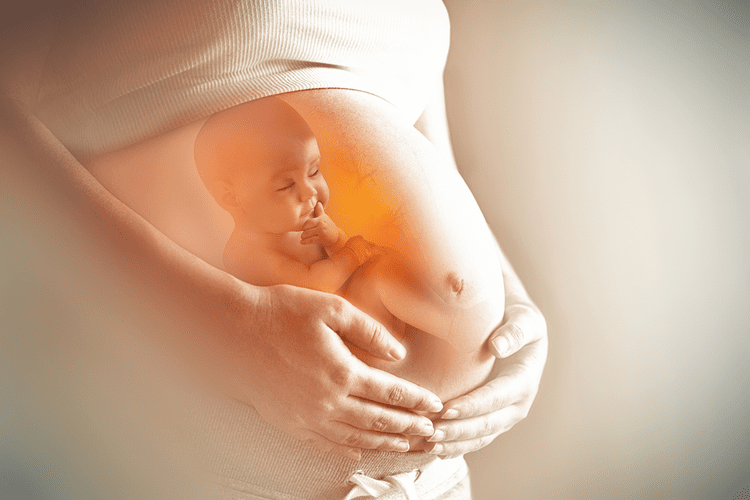
When it occurs, it usually happens during the second or third trimester. The likelihood of abruption is closely related to the number and nature of your previous pregnancies. More importantly, if you’ve had one abruption in the past, you have about a 1 in 10 chance of having an abruption with your next pregnancy. Cervical insufficiency is diagnosed by measuring the length of the cervix with ultrasound. The treatment may include bed rest, vaginal suppositories of the hormone progesterone, or a procedure called cerclage. A cerclage is a minor surgery in which bands of strong thread are stitched around the cervix to reinforce it and hold it closed.
Even a single drink, defined as 14 grams of pure alcohol (roughly 5 ounces of wine or 12 ounces of beer), can disrupt the delicate processes of fetal growth. The placenta, which should act as a protective barrier, does not block alcohol effectively. Instead, it allows alcohol to reach the fetus, where it can interfere with cell division, organ formation, and brain development. This is particularly critical during the first trimester, when major organs are forming, but no stage of alcohol baby syndrome pregnancy is immune to the potential harm of alcohol.
Some children with Alcohol Fetal Syndrome experience sensory impairments. These issues can further complicate learning and social development if not addressed early. Prenatal alcohol exposure causes every individual with any diagnosis within the spectrum of FASD to experience some form of permanent brain dysfunction.
- Effective interventions focus on establishing a structured and predictable environment, compensating for deficits in executive function and memory.
- FAS is the most common type of Fetal Alcohol Spectrum Disorders (FASD) that can occur to an unborn baby in the womb that is exposed to alcohol during pregnancy.
- The severity of the syndrome can vary, but it is entirely avoidable by abstaining from alcohol throughout pregnancy.
What are possible complications of FASD?
Amniotic fluid cushions the womb to keep a fetus safe from trauma. Having too little amniotic fluid (oligohydramnios) or too much amniotic fluid (polyhydramnios) interferes with some of the normal functions of the womb. Placenta previa becomes a more serious condition in the second or third trimesters. If left untreated, placenta previa can lead to bleeding heavily enough to cause maternal shock or even death. Luckily, most cases of the condition are recognized early on and treated appropriately.
- A syndrome is a group of symptoms that happen together as the result of a particular disease or abnormal condition.
- These cognitive challenges can affect performance in school and may require special education services and individualized support.
- The most common sign of miscarriage is abnormal vaginal bleeding.
- Fetal Alcohol Syndrome (FAS) occurs when a developing fetus is exposed to alcohol during pregnancy, leading to irreversible physical, cognitive, and behavioral impairments.
- One person might have only a few, while another person could experience all of them.
Alcohol And Pregnancy: Understanding The Risks And Safe Practices
It is https://ecosoberhouse.com/ acknowledged that there are several possible inaccuracies in this approach. Another attempt was made in 2019, but was cut short by the COVID-19 pandemic; at the time when the study stopped, it was estimated that 1.8% of children being studied had FASD. Receiving treatment as soon as possible in childhood can help decrease the likelihood of developing these secondary effects in life. Your decisions for short-term joy can have long-lasting and severe effects on your baby. In the first 3 months of pregnancy, alcohol can cause physical problems for a baby. How severe symptoms are and the type of symptoms can depend on when alcohol was used during pregnancy.
A woman who experiences symptoms of premature labor may be put on bed rest or be given medication to stop contractions. For those with too much amniotic fluid, medication can be used to reduce fluid production. In some cases, a procedure to drain excess fluids (amnioreduction) may be required. In either case, if these treatments prove ineffective, an induced pregnancy or cesarean delivery may be required. Low amniotic fluid can prevent a baby from properly developing muscles, limbs, lungs, and affect the digestive system.
Fetal Alcohol Spectrum Disorders

For some, it’s best to monitor their child’s progress throughout life, so it’s important to have a healthcare provider you trust. One person might have only a few, while another person could experience all of them. An individual with FAS may have noticeable changes to their face and limbs, as well Drug rehabilitation as delays in the way their body develops over time. There can also be mental and emotional challenges throughout the person’s life that can impact their social life, education and work.
Molar pregnancy

You may also find it helpful to contact a support group for people with FASD. These can be a good source of advice and they may be able to connect you with other people in a similar situation. Your child may be referred to a specialist team for an assessment if there’s a possibility they have the condition.
Mental Health 101
A study in the Morbidity and Mortality Weekly Report found that about a third of pregnant women reported binge drinking. One in 9 pregnant women ages 18 to 44 years old who were surveyed said that they had consumed alcohol in the past 30 days. There is currently no form of fetal alcohol syndrome treatment that can reverse or cure the symptoms. However, early intervention can help a child develop to their fullest potential. Contrary to popular belief, if a woman doesn’t know that she is pregnant during the first trimester and drinks alcohol, the developing fetus could still develop FASDs.
Individuals with FASD can also have permanent vision and hearing problems; poorly developed bones, limbs and fingers; and damage to the heart, kidney, liver and other organs. The primary disabilities of FASD are those that most directly reflect the underlying central nervous system damage caused by prenatal exposure to alcohol. This damage manifests in a range of difficulties with adaptive behaviour, attention, cognition, executive functioning and memory. Florida Center for Early Childhood has a mission to help build and foster strong families and expand the potential of young children. The Florida Center has been a leading provider of therapeutic services, early education, and healthy development for children in southwest Florida.